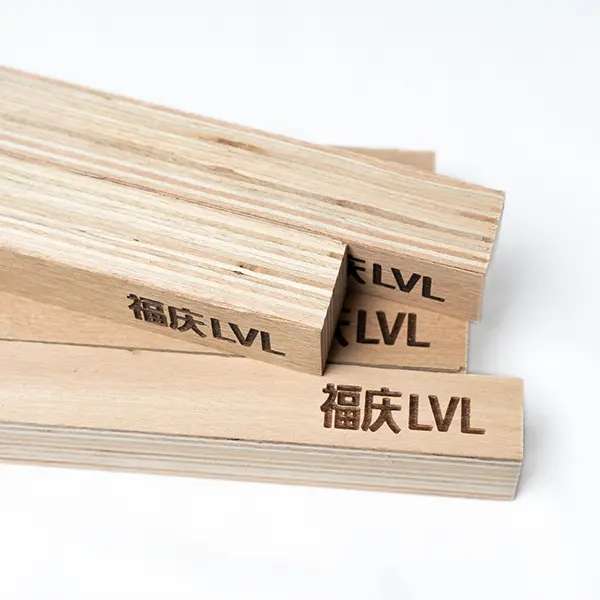

LVL for Furniture Finish
https://www.fuqingmuye.com/pro....ducts/lvl-furniture-
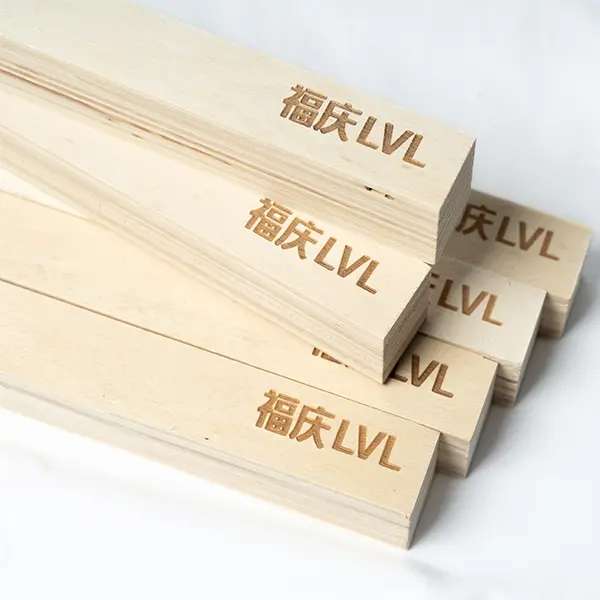
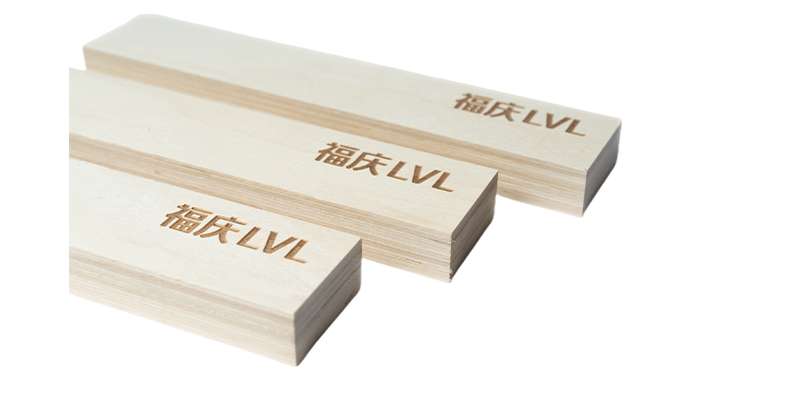
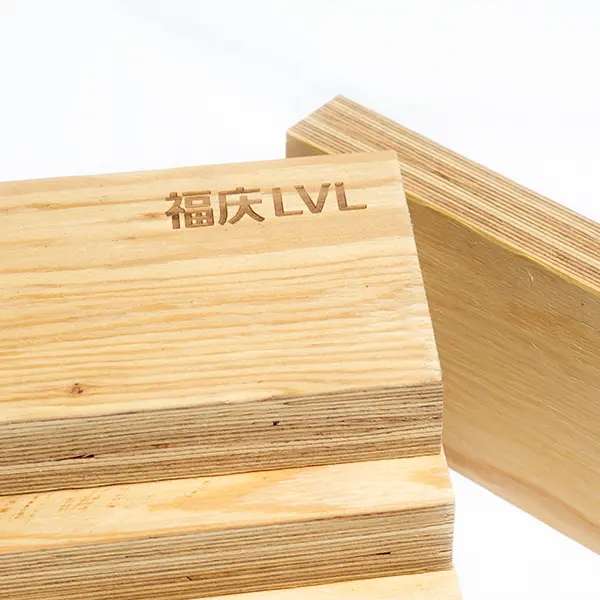
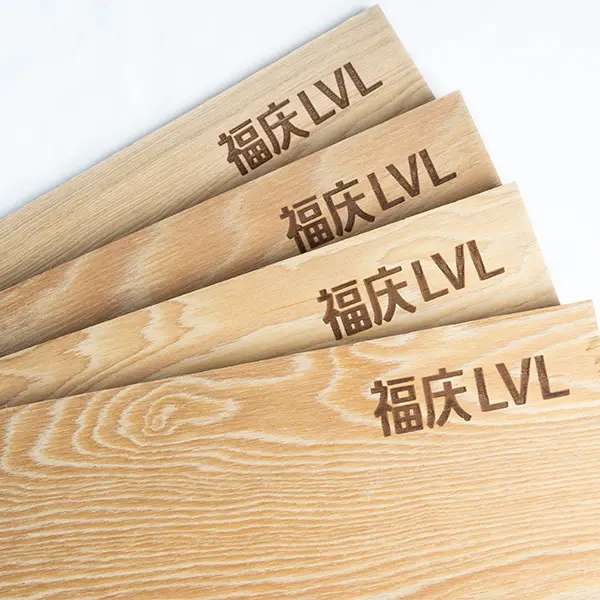
Laminated veneer lumber (LVL) is not commonly utilized as a surface treatment for furniture. Instead, it is frequently used as a structural component in furniture manufacturing. LVL is well-known for its remarkable strength, dimensional stability, and load-bearing qualities, making lvl timber an excellent choice for structural support in furniture items including table legs, chair frames, and shelving.
Read More:
LVL Application in Floor Joists: Enhancing Structural Strength and Performance
Benefits of LVL for Floor Joists
High Strength: LVLs have excellent load-bearing capacity and can support heavy floor loads, including dead loads (weight of the structure) and live loads (occupants and furniture). They are ideal for long spans and open floor plans.
Dimensional Stability: Unlike solid wood, LVLs exhibit minimal shrinkage, warping, or twisting, ensuring a level and flat surface for flooring materials. This dimensional stability contributes to the overall quality and longevity of the floor system.
Predictable Performance: lvl furniture are engineered to precise specifications, providing consistent strength and stiffness across different pieces. This predictability allows for efficient design calculations and reliable structural performance.
Design Flexibility: LVLs can be manufactured in large sections, allowing for custom-designed floor systems with reduced need for additional support beams or columns. This design flexibility enables architects and engineers to create innovative and efficient building layouts.
Installation Process
Installing LVL floor joists follows a similar process to traditional lumber, but with added benefits:
Cutting and Framing: LVLs can be easily cut and framed on-site using standard carpentry tools. They are available in lengths and sizes that suit specific project requirements.
Fastening: LVLs are compatible with standard fastening methods such as nails, screws, or hangers. It's important to use appropriate fasteners that are compatible with the material and load requirements.
Cost Efficiency
While LVLs may have a higher initial cost compared to traditional lumber, they offer long-term cost savings through improved structural efficiency and reduced material waste. The strength and dimensional stability of LVLs contribute to overall project durability and performance, minimizing maintenance and repair costs over time.
Environmental Sustainability
LVLs are considered environmentally sustainable because they are made from fast-growing, renewable wood species. The manufacturing process optimizes the use of wood resources and minimizes waste, making LVLs a greener alternative to solid wood.
Applications and Considerations
LVL floor joists are suitable for various applications in residential and commercial construction, including:
Residential Homes: LVLs are commonly used for floor framing in single-family homes, multi-family dwellings, and custom-built residences.
Commercial Buildings: LVLs are ideal for supporting floor loads in commercial structures such as offices, retail spaces, and industrial facilities.
Long Spans: LVLs are preferred for applications requiring long spans and heavy loads, providing efficient structural solutions without compromising performance.
Guide to Installing Floor Joists: Key Steps for a Solid and Level Floor Structure
Installing floor joists is a critical component of building construction, as it provides the framework for supporting floors, ceilings, and other structural loads within a building. Proper installation of floor joists ensures a level and sturdy foundation for the entire structure. In this article, we'll outline the key steps and considerations involved in installing floor joists effectively.
1. Planning and Preparation
Before beginning the installation process, careful planning and preparation are essential:
Design Considerations: Review architectural plans and engineering specifications to determine the layout, spacing, and dimensions of floor joists required for the building.
Material Selection: Choose appropriate materials for floor joists based on structural requirements, load-bearing capacity, and environmental factors. Common choices include dimensional lumber (such as 2x10 or 2x12 boards) or engineered wood products like Laminated Veneer Lumber (LVL) for enhanced strength and stability.
Site Preparation: Ensure the work area is clean, level, and free from debris. Clear obstructions and provide adequate access for tools and equipment.
2. Establishing Layout and Marking
Once preparations are complete, proceed with the layout and marking of floor joist locations:
Layout Grid: Establish a grid layout based on architectural drawings, marking the positions of joists, support beams, and bearing points (such as walls or support columns).
Spacing and Orientation: Determine the spacing between floor joists based on design specifications and load requirements. Common joist spacings range from 12 inches to 24 inches on center (OC), depending on the floor's anticipated load.
Marking: Use chalk lines or a laser level to accurately mark the locations of joists on the sill plates or rim joists, ensuring consistent alignment and spacing throughout the installation.
3. Installation Process
Follow these steps for installing floor joists:
Cutting and Fitting: Measure and cut floor joists to the appropriate length, accounting for any openings (such as stairwells or utility chases) and bearing points. Use a circular saw or miter saw for precision cuts.
Lifting and Placement: With the help of assistants or mechanical lifts, position each joist in its designated location according to the layout grid. Ensure joists are oriented correctly (usually with the crown facing upward) to maximize strength and minimize deflection.
Fastening: Secure floor joists to sill plates or rim joists using joist hangers, nails, or screws. Use galvanized or stainless steel fasteners to prevent corrosion. Ensure proper attachment and spacing of fasteners according to building codes and manufacturer recommendations.
Blocking and Bridging: Install blocking or bridging between joists at mid-span or intervals to enhance structural rigidity and reduce floor deflection. This is especially important for floors subjected to heavy loads or vibration.