The Molecular Structure of GHK-Cu in Contemporary Peptide Research
https://peptidehubs.com/articl....es/the-molecular-arc
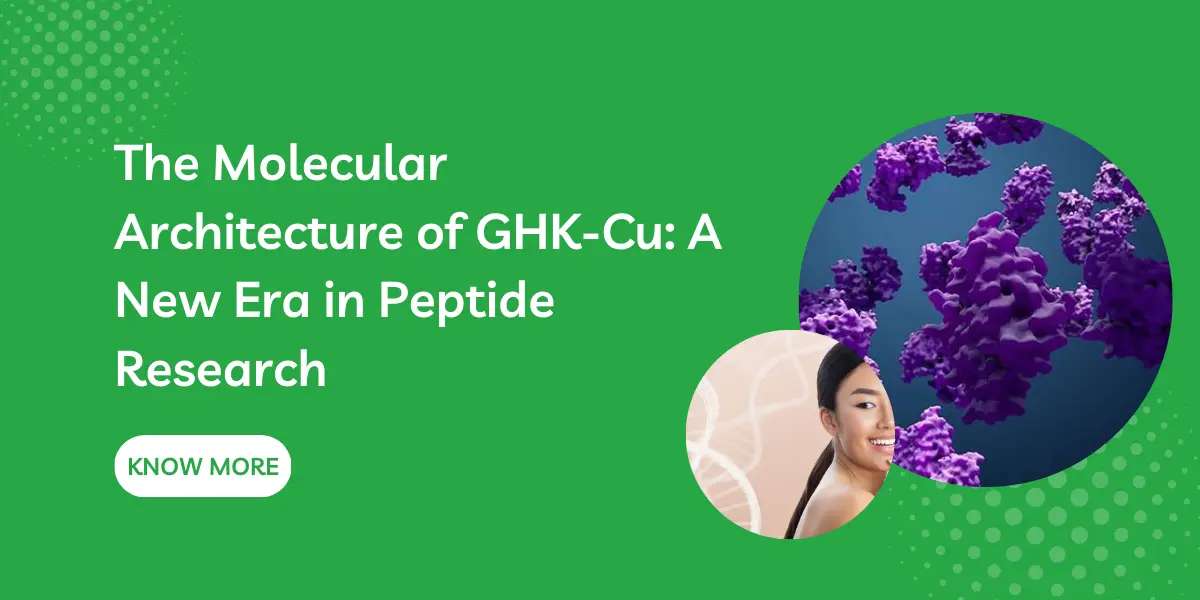
GHK-Cu is a naturally occurring copper-binding tripeptide composed of glycine, histidine, and lysine, widely studied for its unique molecular structure and strong affinity for copper ions. In contemporary peptide research, scientists examine how the coordination between the GHK peptide and copper contributes to its stability, transport properties, and interaction with cellular signaling pathways.
Research models frequently focus on the structural characteristics of GHK-Cu, including its small molecular size, high bioavailability in experimental systems, and ability to participate in metal ion regulation. These features make GHK-Cu a valuable subject in studies investigating oxidative stress responses, tissue remodeling processes, and gene expression mechanisms associated with cellular maintenance and repair.
As interest in bioactive peptides continues to grow, the molecular structure of GHK-Cu remains a key area of investigation in biochemical and regenerative research. Ongoing studies aim to better understand its binding dynamics, stability under varying physiological conditions, and broader implications for cellular communication and protein regulation in modern laboratory science.